An accident-scene image is useful only if the investigation team can understand what it shows, where it was taken and how it relates to the rest of the record. A UAV can provide valuable viewpoints and spatial data, but the avionics and payload workflow must preserve that context.
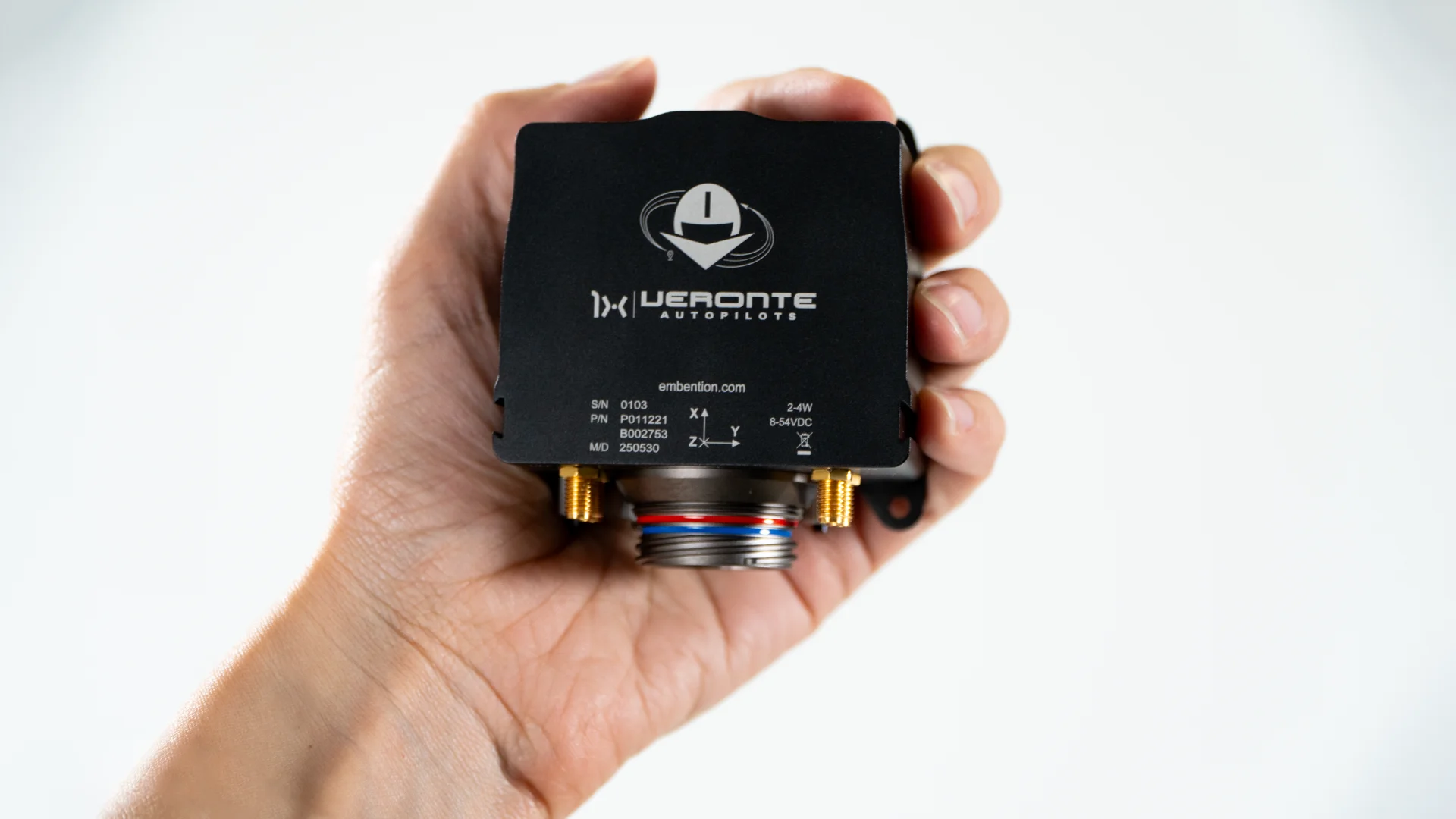
Embention’s accident-investigation whitepaper describes applications including scene mapping, three-dimensional reconstruction and remote observation. These are application opportunities, not proof that a particular aircraft or sensor automatically produces evidence suitable for every investigation.
Define the record the investigation needs
Start with the intended output: a photographic overview, a measured reconstruction, thermal observations or another defined dataset. Each places different demands on the camera or sensor, flight pattern, navigation information and processing.
For example, a useful overview photograph may help people understand a scene without supporting a precise dimensional measurement. A measurement claim needs a suitable acquisition and validation method. Keeping those purposes separate helps the team specify the right equipment and avoid overstating the result.
The flight controller’s role is to support the aircraft and coordinate relevant mission functions. The payload and downstream workflow remain responsible for much of the data quality.
Preserve the relationship between flight and payload data
Veronte Autopilot 1x documentation describes configurable phases, automations and interfaces for cameras and other peripherals. For a data-capture platform, define which acquisition events must be linked to navigation information and how that association is retained.
An illustrative problem is a camera that creates sequential filenames while the flight log uses a separate time reference. If the two clocks are not related reliably, later reconstruction may become uncertain. A successful image transfer does not resolve that timing issue.
Check trigger behaviour, timestamps, file identifiers and any position or attitude metadata on the ground. Follow a sample capture through storage and retrieval so that gaps are discovered before a time-sensitive deployment.
Make field usability part of the engineering requirement
Accident-scene teams may need to work quickly, with limited power, connectivity or opportunity to repeat the capture. Specify the operator’s checks, storage capacity, data-offload method and indications of failed acquisition.
A live preview can help confirm framing, while the original recorded data may carry the detail needed for later analysis. These are different data products and should be labelled accordingly. Do not assume that a transmitted preview is a complete substitute for the onboard record.
The project should also define how configuration and software versions are retained with the mission record. If a result later needs investigation, knowing the actual aircraft and payload baseline is more useful than knowing only the product family.
Scope a repeatable data-capture system
Use the manufacturer whitepaper as context, then verify the selected hardware and interfaces against their technical documentation. The operation, site permissions and investigation procedures remain separate responsibilities; component supply does not establish approval of a deployment or acceptance of its evidence.
UK Supply & Technical Enquiries
Torquety represents Embention in the United Kingdom and imports, distributes and sells its avionics hardware. Provide the required data outputs, aircraft, payload, timing needs and field workflow. Ask Torquety to assess the avionics for your accident-investigation platform, including manufacturer integration support where needed to make the capture process reproducible.