A power-line survey is a data-collection task stretched along a corridor. The aircraft must carry the right sensor, associate its measurements with position and time, and manage changing terrain and communications conditions. Following a line on a map is only one part of that job.
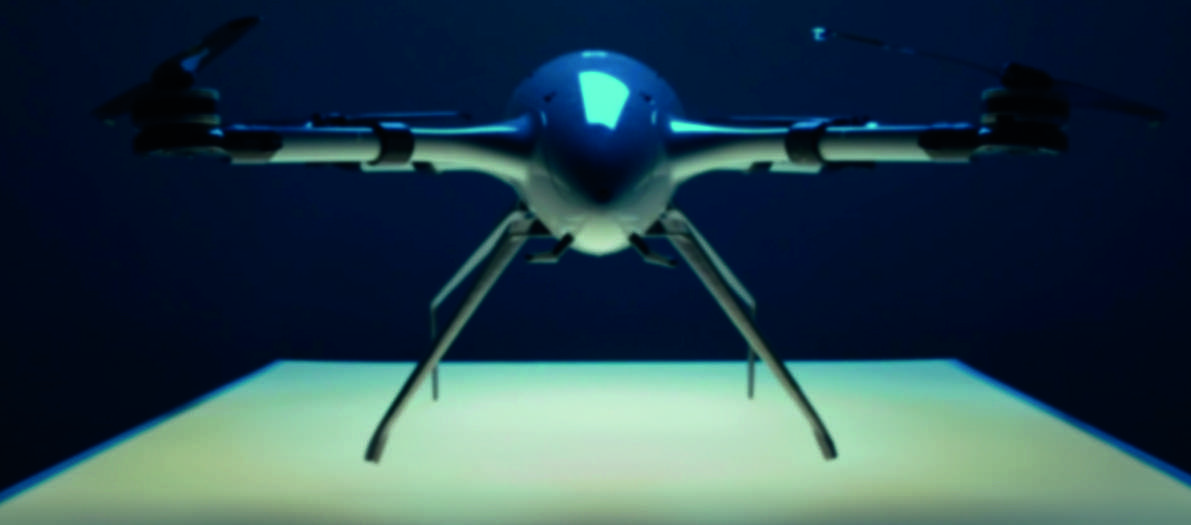
Veronte Autopilot 1x offers configurable flight control and interfaces for external sensors and mission equipment. Its suitability for a particular survey aircraft depends on how those capabilities are integrated with the payload and the operating requirements.
Separate corridor navigation from conductor measurement
A flight controller’s navigation solution describes the aircraft. It does not, by itself, measure conductor geometry, identify a damaged insulator or establish vegetation clearance. Those outputs depend on the payload, its calibration and the processing workflow.
For an illustrative LiDAR installation, the position of the scanner relative to the navigation reference matters alongside timestamp alignment and orientation. A camera survey has different acquisition details, but the same need to connect each useful observation to the correct location and time.
Specify the payload’s input and output requirements before allocating avionics ports. A serial navigation stream, camera trigger and high-bandwidth payload recording path are different functions and may belong on different parts of the system.
Give magnetic conditions an explicit place in the design
The Veronte 1x hardware manual advises locating the unit away from significant electromagnetic interference when using its internal magnetometer. It identifies motors, ESCs, high-current wiring and power electronics as relevant sources, and recommends an external magnetometer when a suitable internal location is unavailable.
A power-line survey project should consider both the aircraft’s own magnetic environment and the intended operating environment. Do not assume that moving the compass away from the propulsion wiring resolves every navigation concern near electrical infrastructure.
The navigation and failure-response design needs project-specific assessment and testing. An autopilot’s support for external sensors is useful flexibility, but it is not evidence of immunity to the conditions encountered on a particular route.
Plan for the corridor’s awkward sections
Long, narrow missions can expose changing radio geometry, terrain masking and different recovery options. Define how control, telemetry and payload data are carried, and what happens when each service degrades.
Continuous live payload transmission may be desirable, but it should not silently become a prerequisite for maintaining the aircraft’s essential control functions. Compare onboard recording with live transmission, including how the team will detect missing or unusable data.
The route plan also needs to distinguish ordinary survey legs from turns, repositioning and interrupted sections. Recording those states helps the data team identify which measurements belong to the intended acquisition conditions.
Purchase around the complete survey chain
Test payload timing, navigation association and data retrieval before progressing to controlled flight evaluation. Retain the sensor mounting, software configuration and aircraft baseline with the evidence. A later payload replacement can change the survey chain even if the flight controller is identical.
UK Supply & Technical Enquiries
Torquety represents Embention in the United Kingdom and imports, distributes and sells its avionics hardware. Provide the aircraft type, survey output, payload interfaces, navigation requirements, corridor communications concept and assurance needs. Ask Torquety to scope avionics for your power-line survey platform so the component selection supports the information the inspection team actually needs.