Veronte Flight Controllers
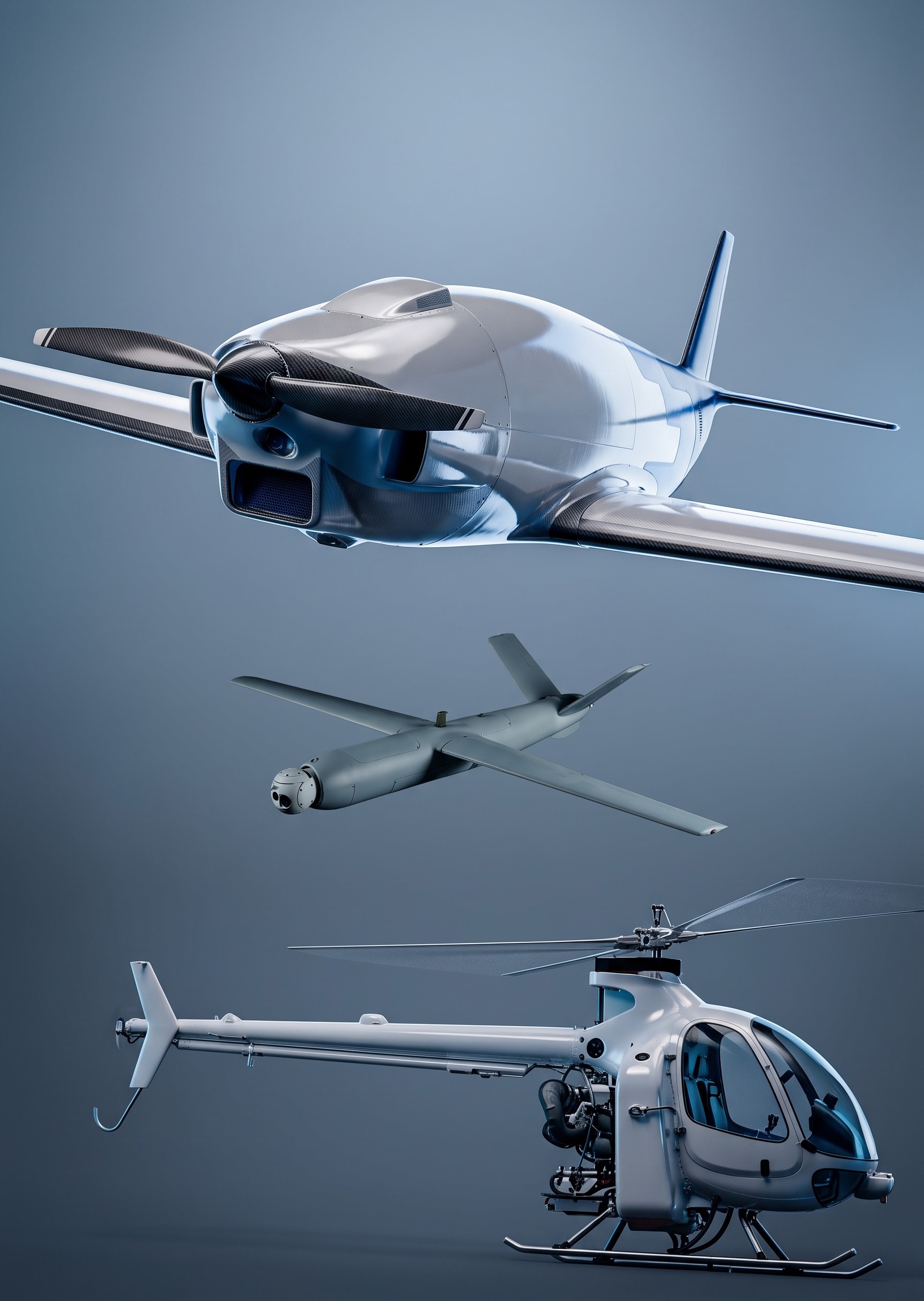
As the authorized UK representative of Embention, Torquety brings you the Veronte Flight Controllers: programmable flight control systems designed for autonomous vehicles (UAV, USV, UGV) and fly-by-wire manned aircraft.
Developed in strict compliance with DO-178C, DO-254, and DO-160 certification standards, Veronte autopilots provide deterministic, fail-operational avionics architectures with dual/triple hardware redundancy, distributed computing, and model-based control customization for mission-critical aerospace platforms.
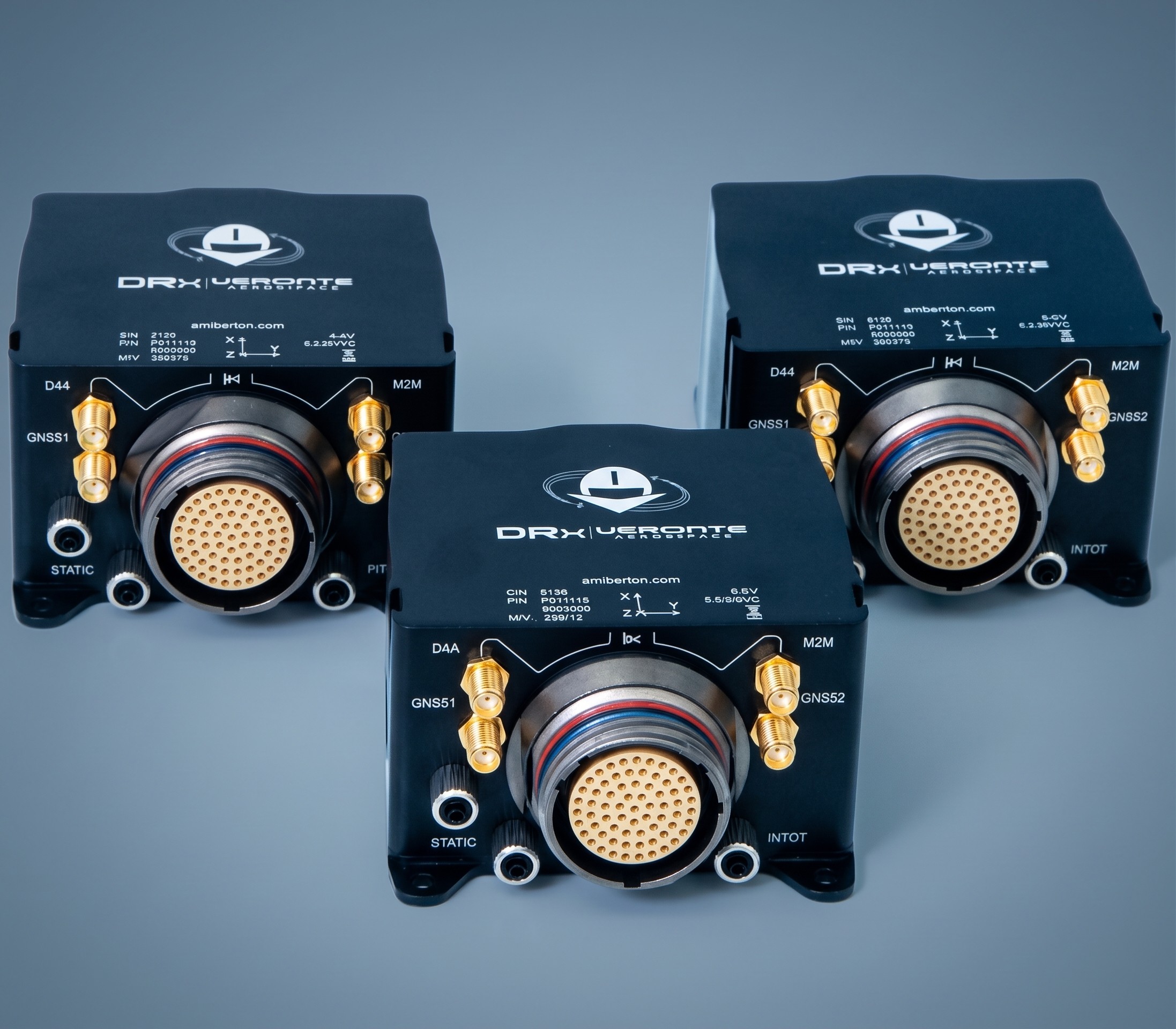

Veronte Autopilots Ecosystem
Select an avionics flight controller tailored to your vehicle configuration, redundancy architecture, and certification tier.
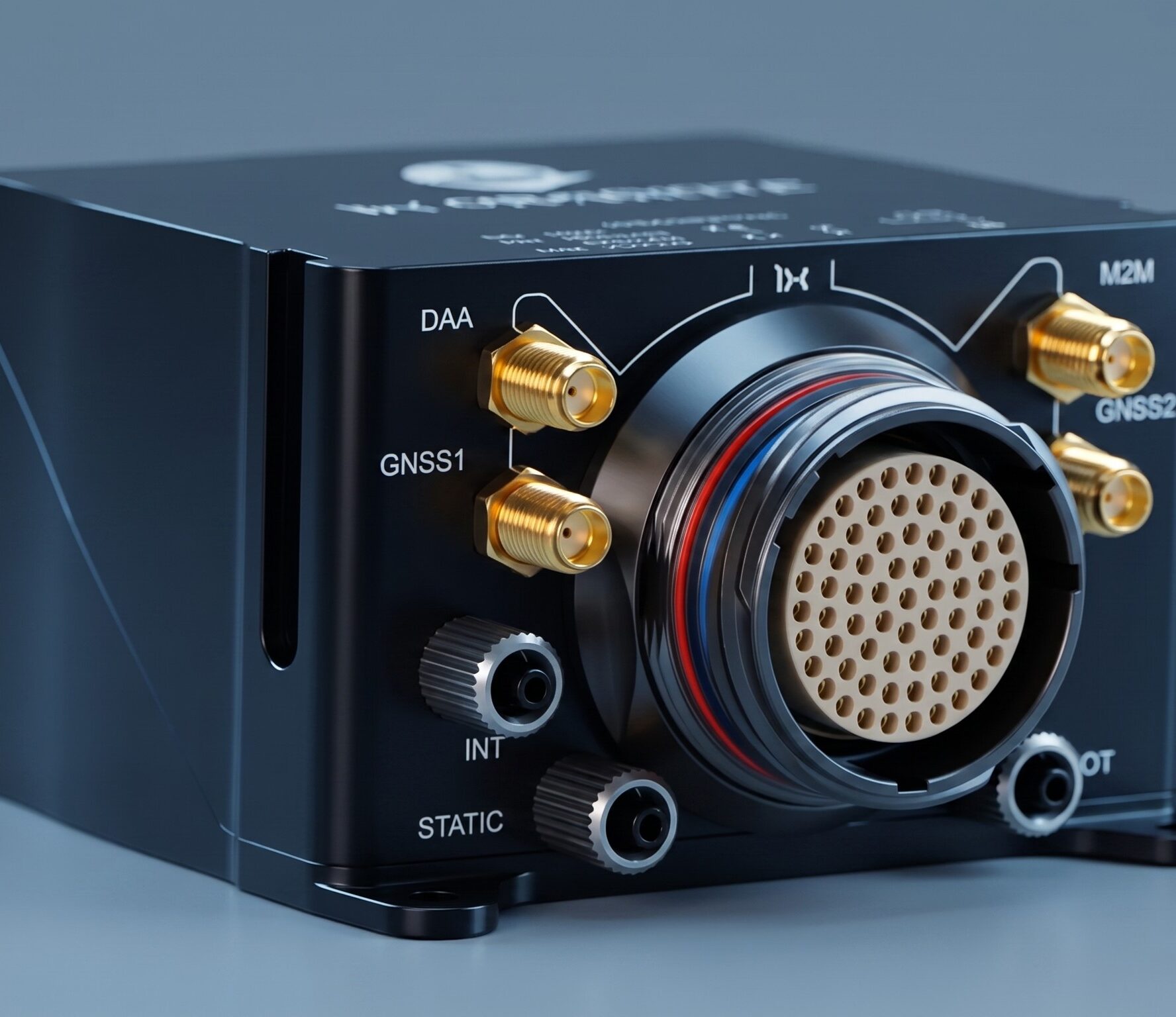
Veronte Autopilot 1x
A compact, miniaturized, and high-reliability flight control system designed for professional drones, eVTOLs, and other autonomous vehicles.
Specifications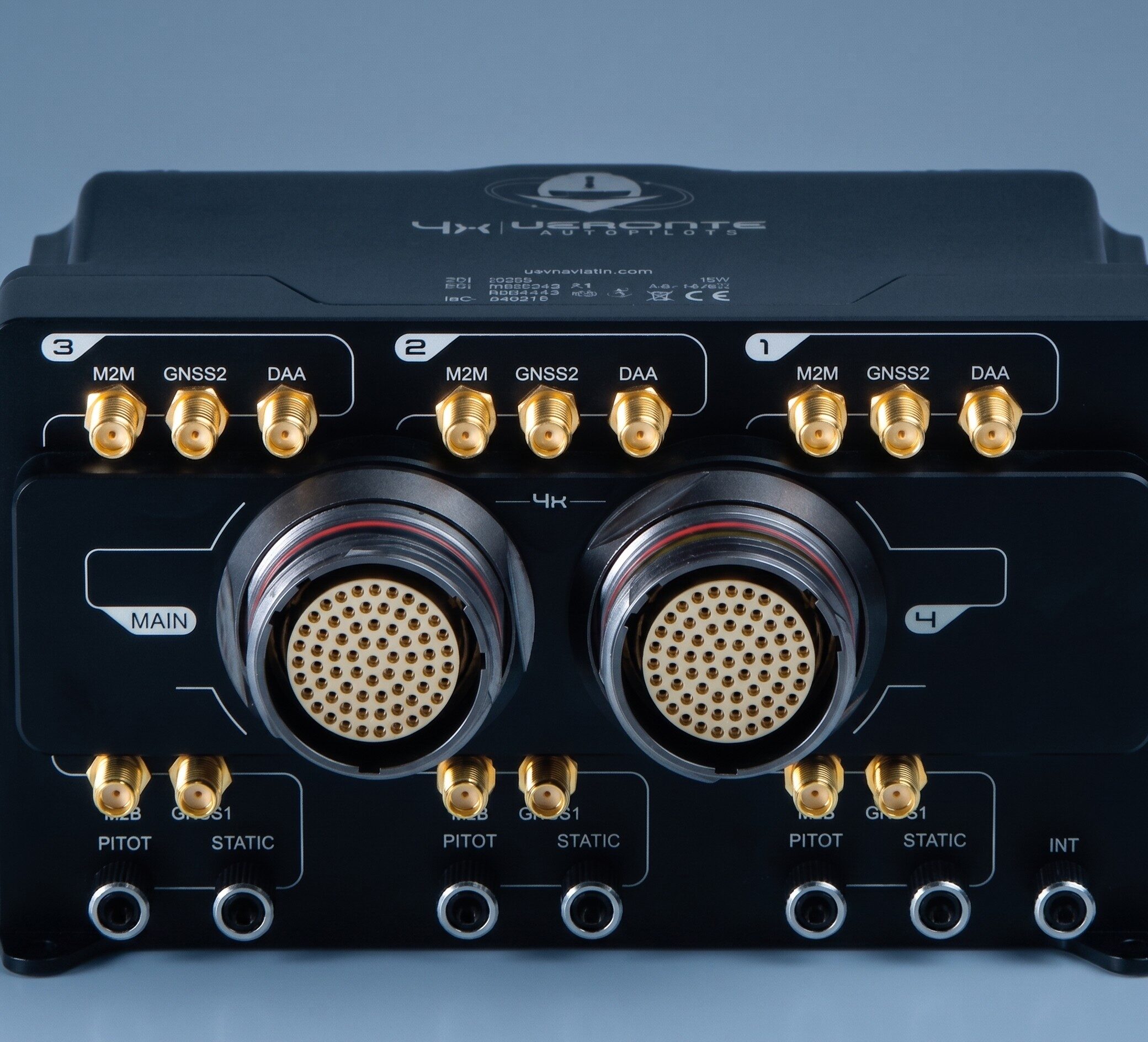
Veronte Autopilot 4x
A fully-redundant, safety-critical autopilot featuring a fail-operational architecture with no single point of failure, ideal for UAM, tactical drones, and MALE/HALE platforms.
SpecificationsVeronte Autopilot DRx
A Distributed Redundant autopilot specifically engineered to meet eVTOL and UAM certification requirements, isolating components to protect against zonal failures.
Specifications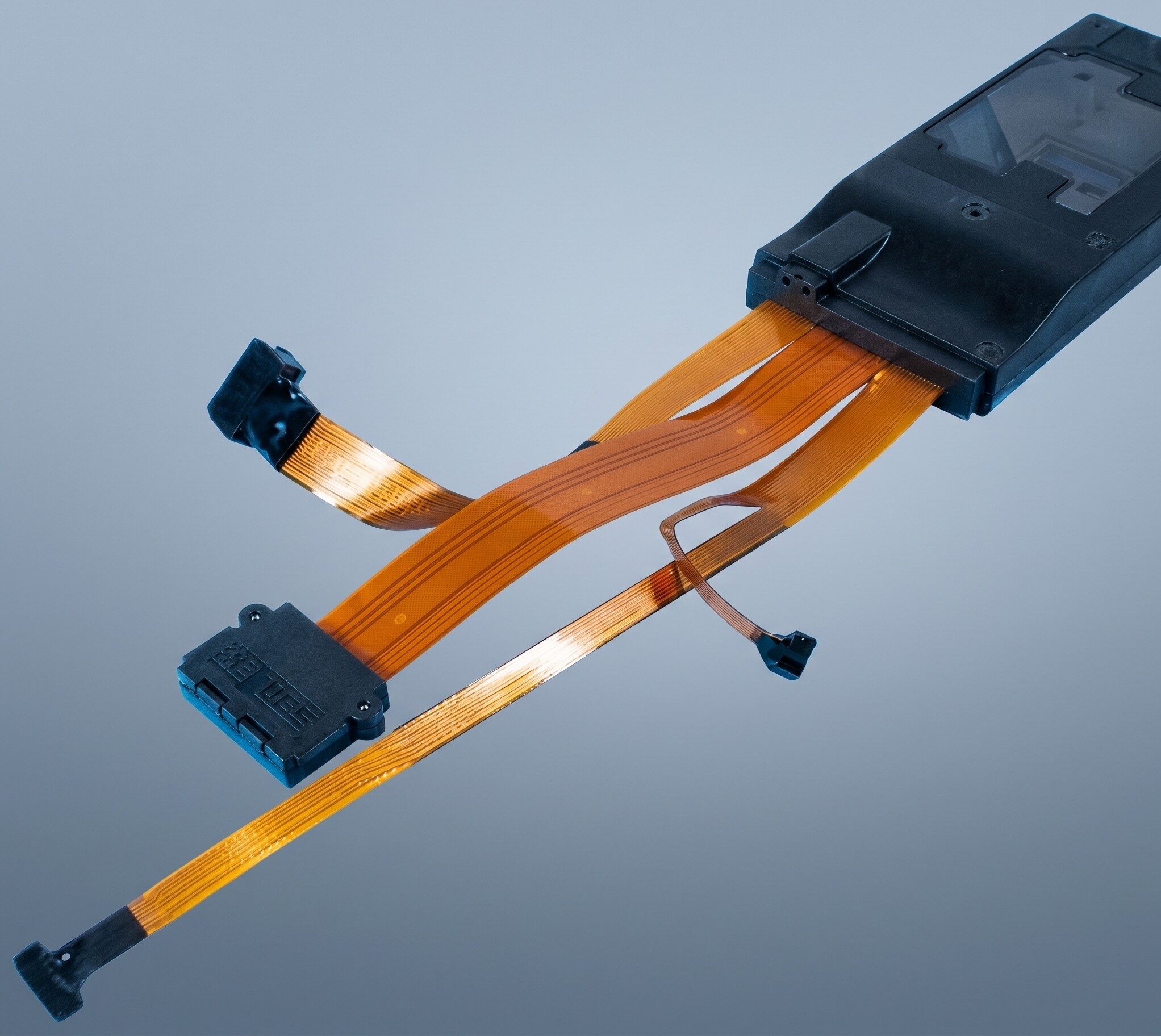
Veronte Autopilot KAI
A high-integrity flight control system with embedded AI, optimized for loitering munitions and C-UAS interceptors operating in GNSS-denied environments.
SpecificationsGuidance, Navigation & Control
Veronte Autopilots are developed in strict compliance with aviation safety standards, including DO-178C (software), DO-254 (electronic hardware), and DO-160G (environmental conditions). By integrating these systems, manufacturers of unmanned systems (UAV, USV, UGV) and fly-by-wire manned aircraft (eVTOL) can significantly reduce the complexity, cost, and time-to-market associated with achieving airworthiness and type certification (supporting up to DAL-B design assurance, with pathways to DAL-A).
The ecosystem offers scalable redundancy tiers to guarantee mission success in safety-critical operations. The compact Autopilot 1x features sensor-level redundancy with triple IMUs and dual GNSS. The Autopilot 4x adds fail-operational capability through triplicated hardware cores overseen by a dissimilar arbiter, eliminating single points of failure. The Autopilot DRx takes this further with distributed redundancy, allowing modules to be placed in separate zones of the aircraft to survive localized structural damage, fire, or electrical faults.
Veronte Autopilots are highly versatile and ready for “Plug ‘n Fly” integration in any vehicle configuration. Using Embention’s model-based design environment, developers can visually customize guidance, navigation, and control (GNC) loops, custom flight phases, and failsafes without writing C/C++ code. For advanced requirements, custom C++ user-code modules can be integrated directly into the autopilot core, maintaining separation and compatibility with the certified base software.
Technical Specifications
A direct, side-by-side comparison of the core physical, electrical, and sensor parameters for each Veronte model.
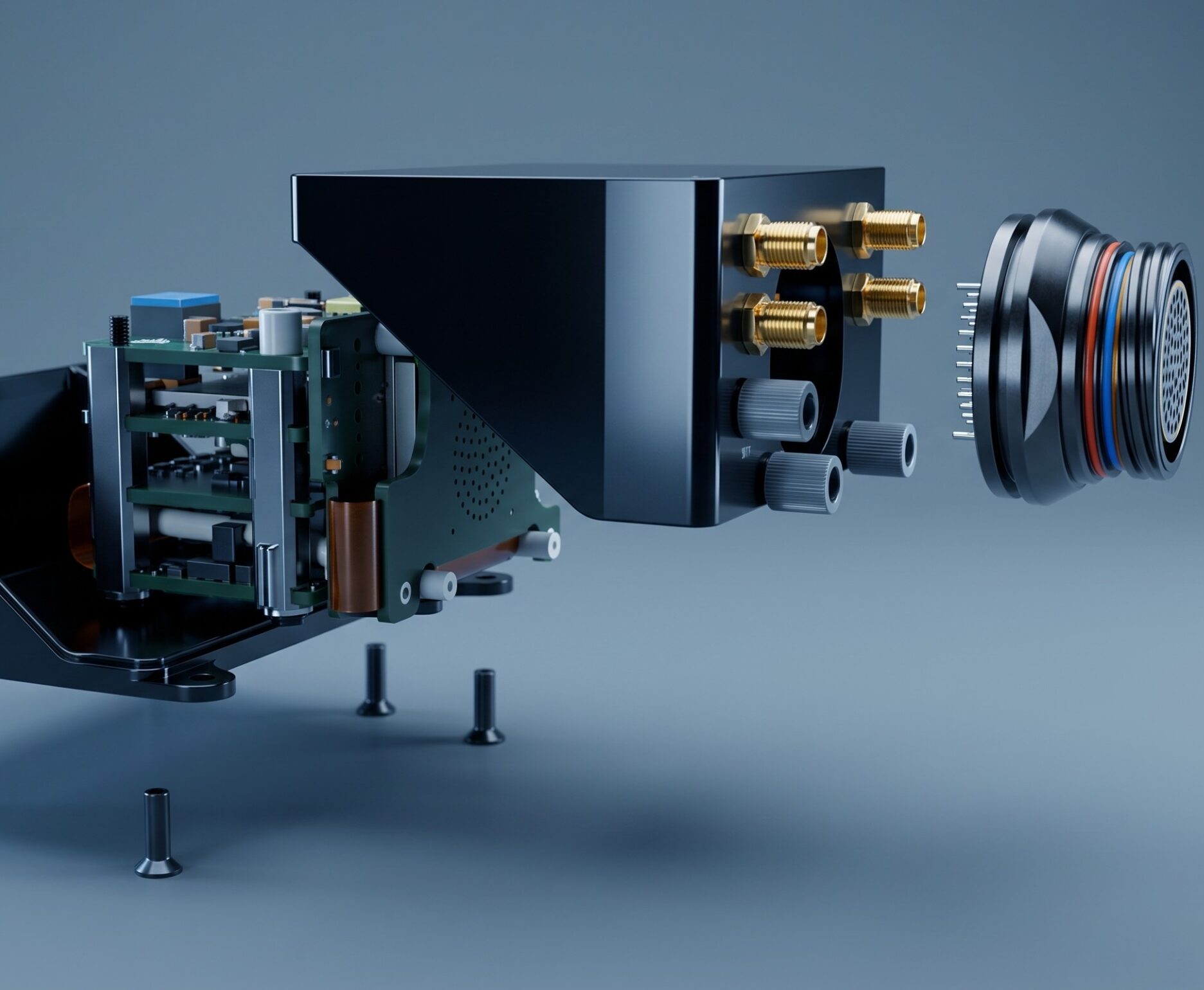
Veronte 1x Exploded View
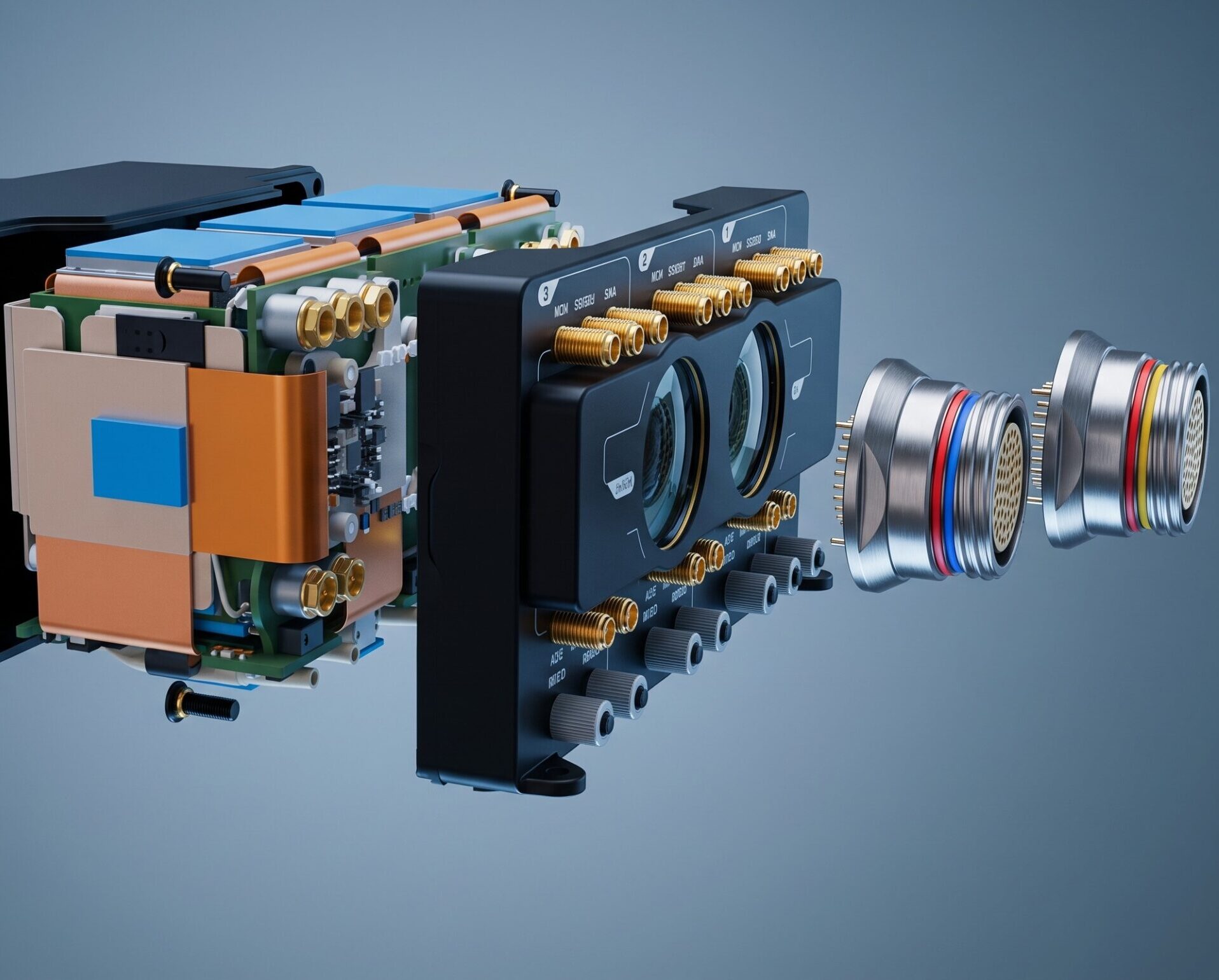
Veronte 4x Exploded View
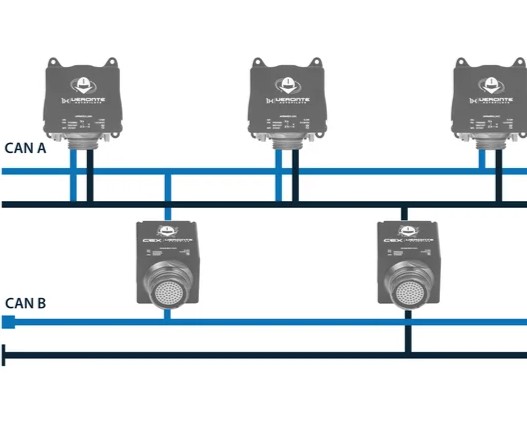
Veronte DRx Bus Diagram

Veronte KAI AI Interface
| Parameter | Veronte Autopilot 1x | Veronte Autopilot 4x | Veronte Autopilot DRx | Veronte Autopilot KAI |
|---|---|---|---|---|
| Redundancy Level | Single Core + FTS Watchdog | Triple-Redundant + 1x External | Distributed Redundant (3x separated units) | Single Core + AI Coprocessor |
| Operating Voltage | 8 to 54 VDC (Redundant) | 6.5 to 36 VDC (Redundant) | 6.5 to 36 VDC per unit | Up to 54 VDC (Redundant supply) |
| Power Consumption | 5 to 15 W | 17 to 47 W | 3x (5 to 15 W) | 15 to 25 W (Est.) / Up to 25h loitering¹ |
| IP / Enclosure | IP67 / Anodized Aluminum | IP67 / Anodized Aluminum | IP67 (per unit) / Anodized Aluminum | OEM Bare Board (Integrated Thermal Block) |
| Operating Temperature | -40 °C to +65 °C | -40 °C to +65 °C (Datasheet: -20 to 70°C) | -40 °C to +60 °C | -40 °C to +60 °C |
| Weight | 208 g (Remote ID) / 209 g (ADS-B) | 615 g (631 g with DAA) | 198 g per core (594 g total) | 190 g |
| Dimensions | 76 x 65 x 40 mm | 83 x 128 x 70 mm | 3x (75 x 64 x 40 mm) | 127 x 53 x 15.3 mm |
| Total IMUs | 2x (3-axis Accel/Gyro) | 9x (3-axis Accel/Gyro) | 6x (3-axis Accel/Gyro) | 1x IMU |
| Magnetometers | 2x internal | 9x internal | 6x internal | 1x internal |
| Barometers / Pitot | 2x static / 1x dynamic | 6x static / 3x dynamic | 6x static / 3x dynamic | 1x pressure sensor |
| GNSS positioning | 3x internal GNSS (RTK, Heading)² | 6x internal GNSS (RTK, Heading) | 9x internal GNSS (RTK, Heading)² | GNSS + Visual SLAM support |
| Communication Buses | 1x CAN FD, 2x CAN, 1x RS232, 2x RS485, 2x UART, 1x I2C, 1x Ethernet | 2x CAN, 1x RS-232, 1x RS-485, 1x I2C, 1x ARINC 429 | 3x (1x CAN-FD, 2x CAN, 1x RS-232, 2x RS-485, 1x Ethernet) | USB 3.0, 2x CAN FD, 2x Ethernet 1G |
| Chassis / Mating Conn. | HEW.LM.368.XLNP / FGW.LM.368.XLCT | 1x HEW / 1x HER / Mates: FGW & FGR | 3x HEW.LM.368.XLNP / FGW.LM.368.XLCT | Locked ribbon connections |
| Certification Ready | DO178-C, DO254, DO160-G DAL-B | DO178-C, DO254, DO160-G DAL-B | DO178-C, DO254, DO160-G | Built to DO178-C / DO254 guidelines |
Veronte Autopilot 1x Specifications
Veronte Autopilot 4x Specifications
Veronte Autopilot DRx Specifications
Veronte Autopilot KAI Specifications
* Note 2: Requires Autopilot 1x hardware revision v4.12 containing the 3rd GNSS module with TSO-C199 approval.
Technical Features
Explore the core hardware functionalities and software capabilities that define the Veronte autopilot ecosystem.
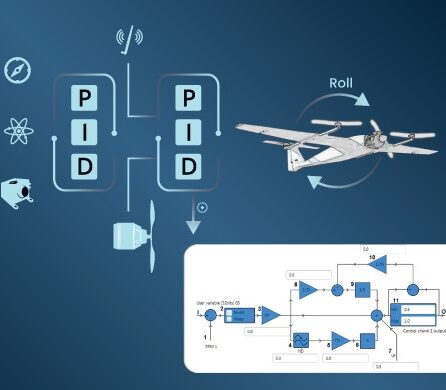
Model-Based Design Customization
Configure autopilot GNC phases, custom flight routines, and control loop PIDs visually without writing custom C/C++ code, reducing time-to-market.
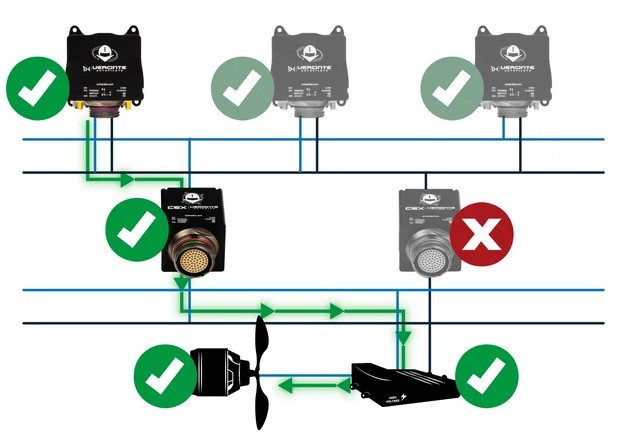
Fail-Operational Redundancy
Deploy active voting schemes on triple-redundant architectures, allowing backup flight computers to instantly isolate a failed module and continue the mission.
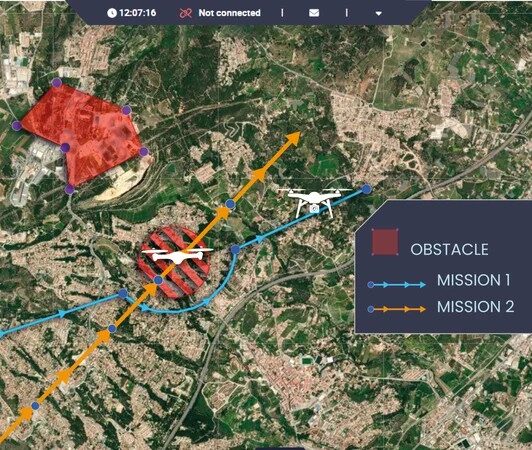
DAA & Sense & Avoid
Utilize integrated ADS-B transceivers or Remote ID modules with onboard detection sensors to execute safe BVLOS operations in shared civil airspace.
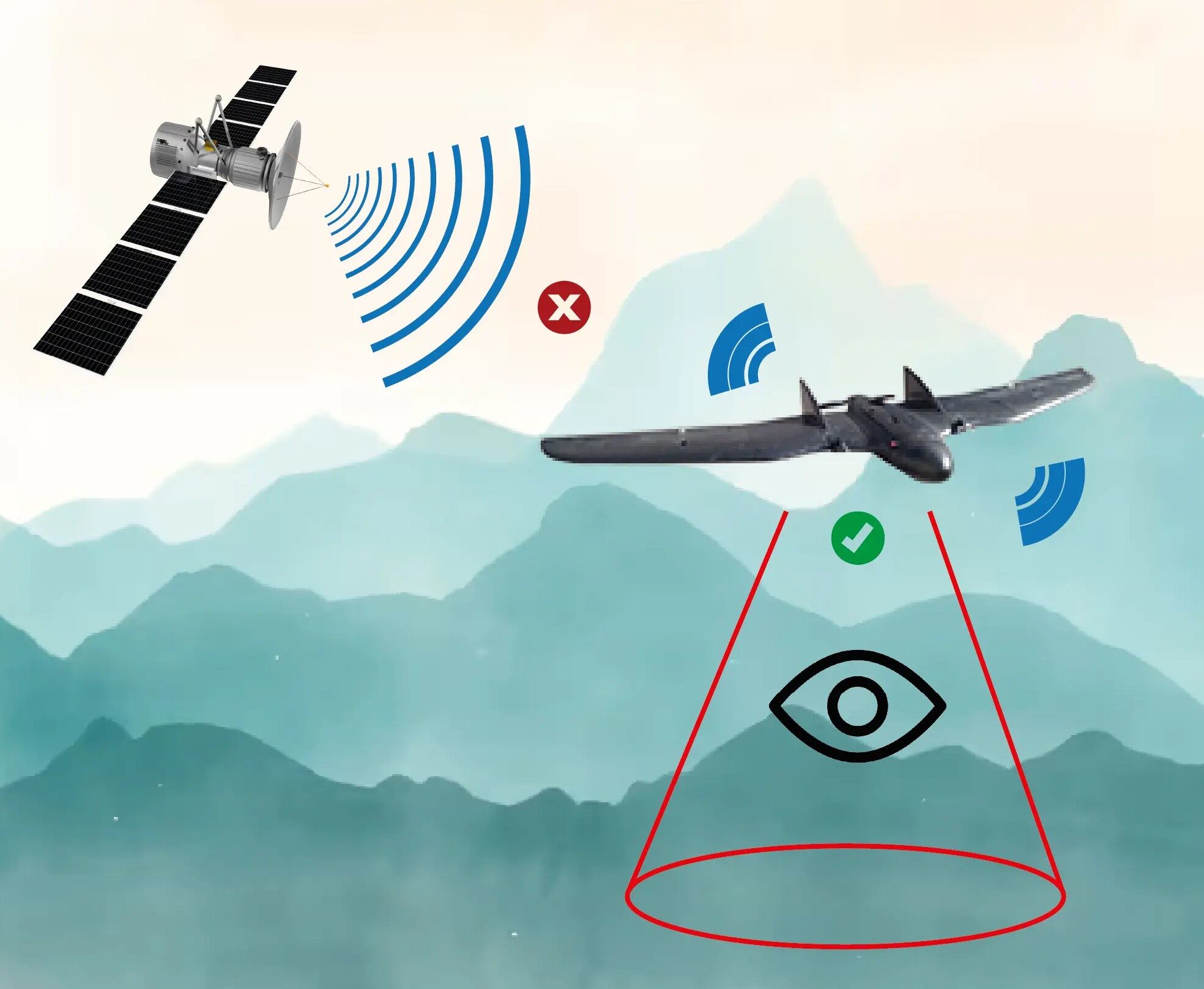
Visual SLAM & Optical Flow
Enable visual-inertial sensor fusion to map environments and navigate safely in tactical, jammed, or spoofed GNSS-denied airspaces.
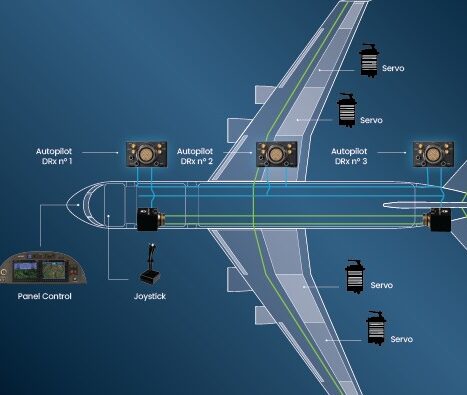
Zonal Physical Protection
Physically segregate autopilot cores across the aircraft bays using the DRx system, eliminating common-mode failure risks from lightning strikes or mechanical impacts.
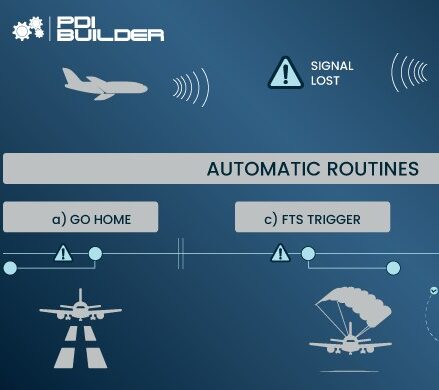
Automatic Routines & Failsafes
Configure automatic safety routines (Go-Home, FTS parachute trigger, or Continue Mission) in PDI Builder to execute when a lost signal or system anomaly is detected.
Target Applications
Visual examples and integration architectures displaying Veronte systems implemented in B2B applications.
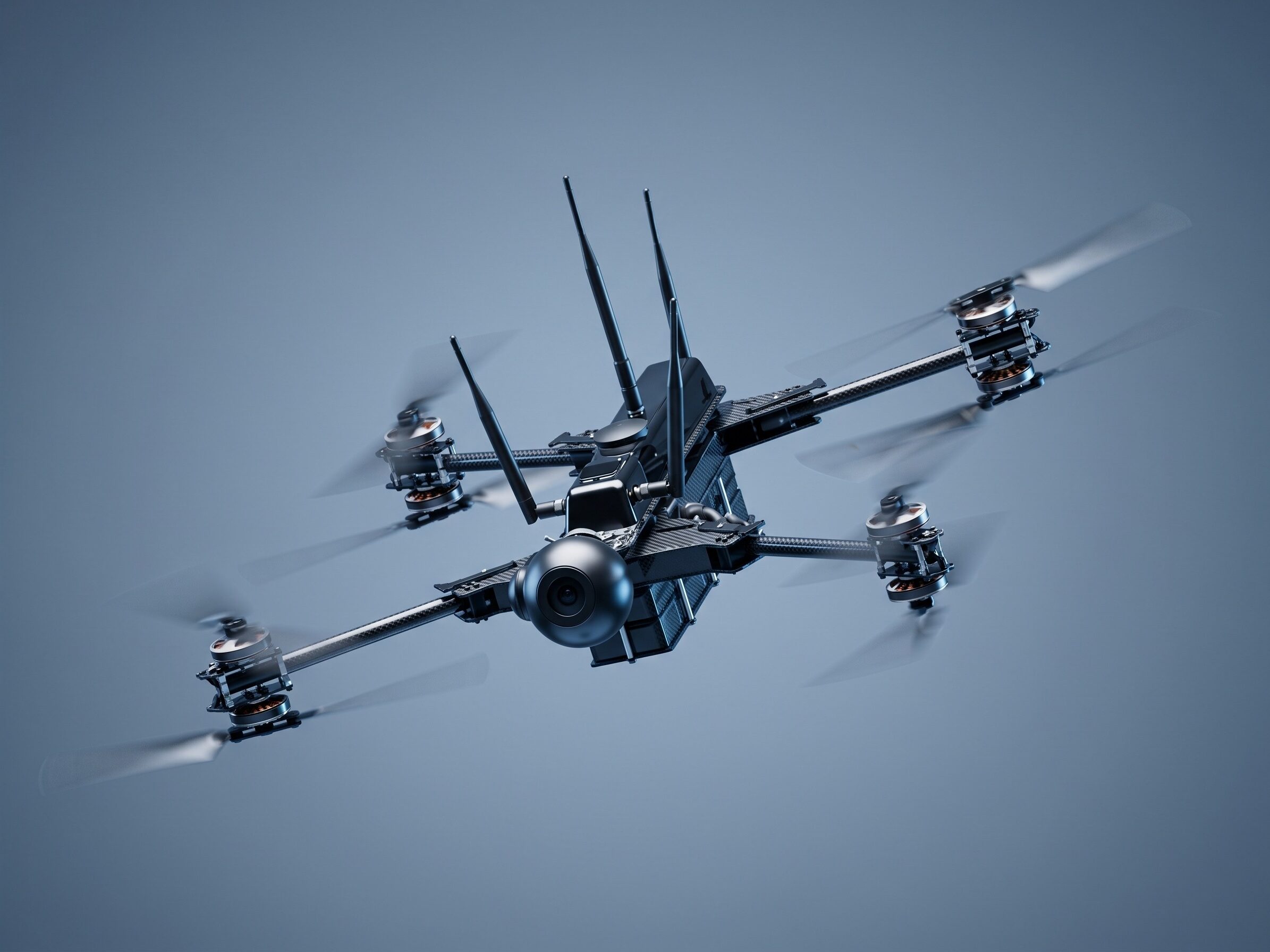
Multirotor & Tactical Drone GNC
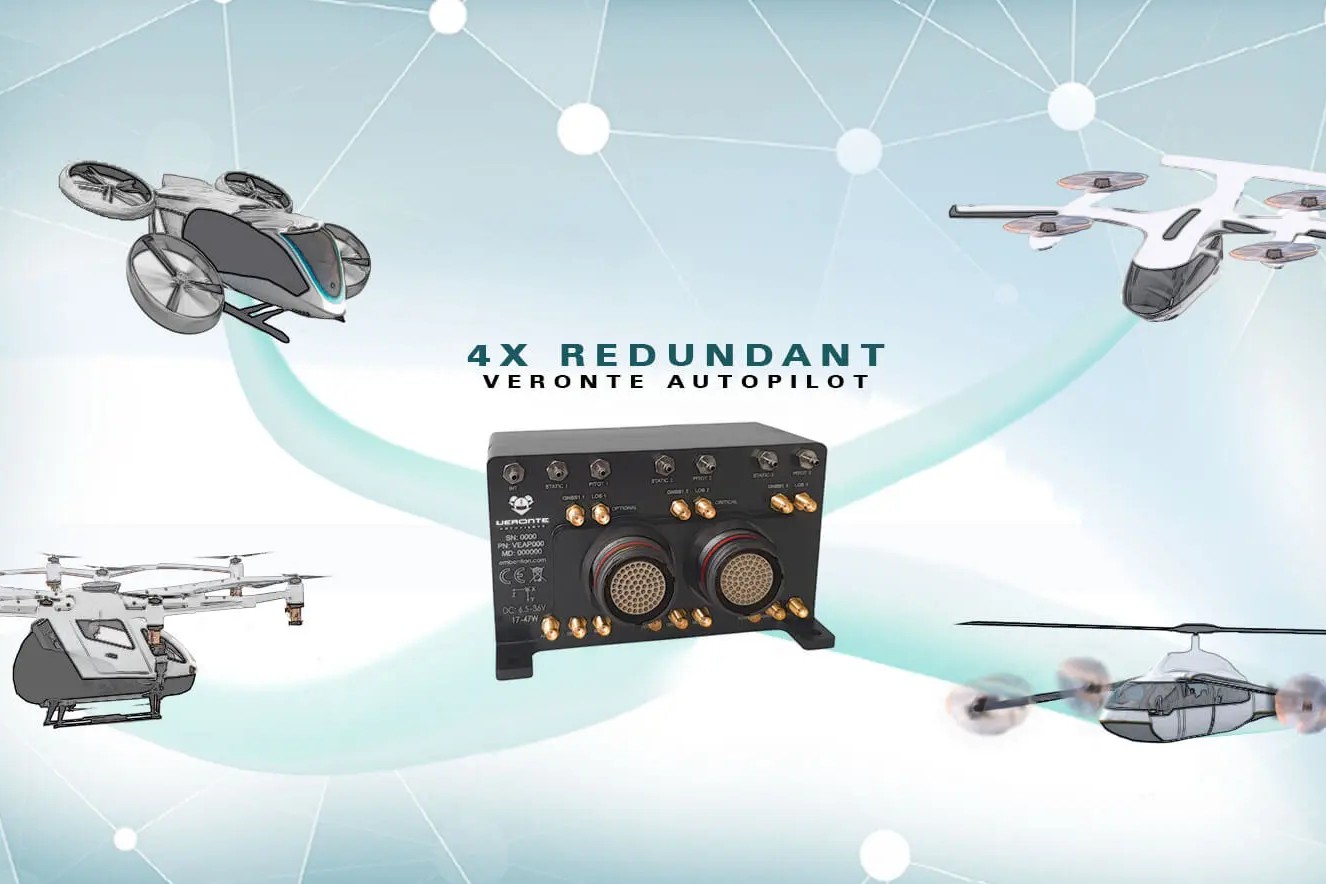
Redundant eVTOL Flight Deck
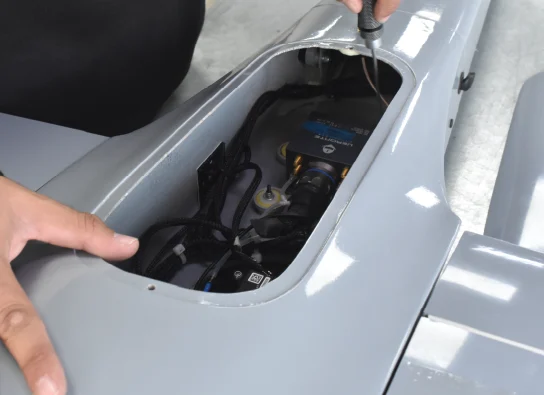
Distributed Avionics UAVs
Visual SLAM Loitering Munitions
Civilian & Urban Air Mobility (UAM)
For crewed or cargo-carrying eVTOL aircraft, the triple-redundant Veronte 4x and distributed DRx provide fail-operational systems, ensuring passenger and cargo safety while satisfying EASA and FAA airworthiness certification guidelines.
Tactical Defense & Munitions
For loitering munitions, target drones, and Counter-UAS platforms, the Veronte KAI delivers AI-powered visual navigation to counter EW jamming. Complete on-board encryption and pre-impact secure data wipes safeguard critical software technologies.
Scope of Delivery
Review the components, harnesses, and antenna suites shipped with each system variant.
Veronte Autopilot 1x
- 1x Veronte Autopilot 1x Unit (Remote ID / ADS-B version)
- 1x FGW.LM.368.XLCT Mating Connector Circular Plug
- 3x High-gain SSMA antennas (GNSS, LOS, DAA)
- 1x Integration Quick Start Guide
Veronte Autopilot 4x
- 1x Veronte Autopilot 4x Redundant Unit
- 1x Veronte Harness Blue 68P (Main, 52 cm)
- 1x Veronte Harness Yellow 68P (Arbiter, 52 cm)
- 1x Set of SSMA high-gain antennas
- 1x Calibration & Integration Guide
Veronte Autopilot DRx
- 3x Veronte Autopilot 1x Units (DRx License)
- 3x Pre-wired Mating Harnesses (Blue 68P, 52 cm)¹
- 1x Redundant Network Kit (Ethernet Switch & configuration connectors)
- 6x Redundant SSMA GNSS antennas
- 1x DRx System Integration Manual
Veronte Autopilot KAI
- 1x Veronte Autopilot KAI OEM Board
- 1x Set of high-speed lockable ribbon connectors
- 1x AI SLAM & computer vision license
- 1x Board Pinout & Integration Manual
Frequently Asked Questions
Technical, architectural, and regulatory answers for avionics engineers specifying Embention flight control computers.
Are Veronte Autopilots certified out-of-the-box, or certifiable?
Veronte Autopilots (1x, 4x, and DRx) are engineered as certifiable flight control systems developed under strict adherence to DO-178C and DO-254 DAL-B software and hardware assurance processes, as well as qualified against DO-160G environmental standards. Because complete airworthiness type certification is legally issued to the complete aerial vehicle (airframe, propulsion, actuators, and avionics combined), no standalone autopilot holds an independent type certificate. Embention provides comprehensive Certification Data Packages (lifecycle evidence, test cases, and tool qualification artifacts) that UAV and eVTOL manufacturers submit directly to EASA, FAA, or the UK CAA to streamline airworthiness approval.
How do Veronte Autopilots satisfy EASA SORA requirements (SAIL I to VI)?
The Veronte product line scales across all Specific Operations Risk Assessment (SORA) assurance levels:
- SAIL I & II: The single-core Veronte Autopilot 1x fulfills all standard flight containment, geofencing, and Flight Termination System (FTS) activation requirements.
- SAIL III & IV: Veronte 1x with isolated hardware watchdog or Veronte 4x delivers Medium/High integrity M2 Ground Risk Mitigations and Enhanced Containment.
- SAIL V & VI: Veronte 4x (triple-redundant with voting arbiter) and Veronte DRx (distributed redundancy) provide the fail-operational reliability (up to 10-9 failures/flight hour) required for complex BVLOS operations over populated assemblies and controlled airspaces.
What is the architectural difference between Veronte 4x and Veronte DRx?
Both models provide triple-redundant, fail-operational flight control, but serve different physical installation needs:
- Veronte Autopilot 4x: Integrates three independent 1x autopilot cores plus a fourth dissimilar voting arbiter within a single compact IP67 aluminum chassis (615 g). It is ideal for tactical drones, medium UAVs, and airframes with concentrated avionics bays.
- Veronte Autopilot DRx: Physically separates the three redundant cores into three individual enclosures installed across different physical zones of the aircraft. Interconnected via redundant high-speed CAN-FD/Ethernet buses, DRx ensures complete physical survivability against localized bird strikes, battery fires, rotor burst fragments, or direct lightning strikes—making it the preferred architecture for passenger-carrying eVTOL air taxis and large cargo UAVs.
How does the real-time voting logic function if an internal sensor or core fails?
In Veronte 4x and DRx systems, an independent dissimilar microprocessor arbiter continuously monitors sensor data (IMUs, magnetometers, static/dynamic barometers, GNSS) and control actuator commands generated by each core. If sensor divergence, calculation freeze, or telemetry anomalies occur on one core, the arbiter flags and isolates that unit in milliseconds. Control authority instantly continues with the healthy cores without inducing any transient flutter or attitude perturbation.
When should an integrator choose Veronte Autopilot KAI over the 1x or 4x?
Veronte Autopilot KAI is engineered specifically for GNSS-denied environments, electronic warfare (EW), and autonomous edge AI missions. While 1x and 4x rely on multi-constellation RTK GNSS coupled with inertial sensors, KAI incorporates an embedded neural processing unit capable of running real-time Visual SLAM, optical flow, and automatic target tracking. KAI is the platform of choice for loitering munitions, inspection UAVs operating under bridges or inside tunnels, and defense platforms operating under severe GPS jamming or spoofing.
Can we implement custom control laws or MATLAB / Simulink models?
Yes. Complete control architectures, flight phases, and failsafe routines can be configured visually without writing low-level code via Embention’s PDI Builder environment. For proprietary, research, or custom advanced control algorithms, developers can import and execute MATLAB / Simulink blocks or custom compiled C/C++ algorithms directly on the autopilot hardware.
Are Embention Veronte Autopilots subject to US ITAR regulations?
No. Veronte Autopilots are 100% ITAR-Free. Embention is a European aerospace developer and manufacturer based in Alicante, Spain. Products are regulated strictly under European Dual-Use export frameworks, eliminating US State Department licensing constraints and ensuring fast, friction-free procurement for UK, European, and allied global defense and civil customers.
What support and integration services does Torquety provide in the UK?
As the authorized UK representative and technical partner for Embention, Torquety provides local pre-sales systems engineering consultation, custom wiring harness fabrication, Hardware-In-the-Loop (HIL) test setup advice, UK-based invoicing, and direct priority escalation to Embention’s flight control and certification engineering teams.
Ready to Discuss Your Flight Control Requirements?
Our systems engineers work alongside your avionics and control teams to specify the ideal Veronte hardware architecture, integration harness, and certification artifacts for your platform.